
Packing Sustainable Lunches
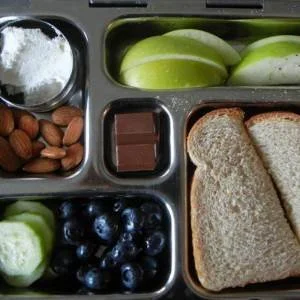
School is here! To celebrate the occasion, we pulled some tips from Margaret Badore's “10 ways to pack your kids a more sustainable lunch” to get you ready to pack lunches that are healthy for your kids as well as the environment. Modern school lunches are typically filled with convenience foods that have a high impact on the environment. Although throwing together a meal of pre-made packets is quick and easy, it results in a pile of trash and comes with a heavy helping of carbon emissions. Keep your students fueled throughout the day and ready to learn by packing lunches that promote healthy kids and a healthy environment. Taking small steps towards more sustainable eating can make a big impact! Here are some steps to get you started:
nn
Skip the individually wrapped foods and reach for reusable sandwich bags and containers
nn
Why is food that takes less than a minute to eat packaged in wrappers and containers that last for hundreds of years? Because much of our modern food industry was developed to get rations to the front lines!
nn
But for children who are marching off to school, skip the super convenient packaged foods. Not only do processed foods contribute heavily to landfills, ocean pollution, and air pollution (think of the carbon footprint of all those garbage trucks), they are often less healthy.
nn
On a related note, there’s no need for single-use plastic sandwich bags. Instead, consider a waxed fabric sandwich bag, or one of the many reusable lunch containers on the market. From bento boxes to tiffins, there are loads of choices, although glass jars may be a bit too breakable for some kids. Here’s a collection of some great plastic-free lunch containers.
nn
Buy locally and seasonally
nn
If you buy food that’s grown locally, you’re not only supporting your own community, but you’re also reducing the carbon footprint of your food by cutting down on the distance it’s shipped.
nn
Buying seasonally is often more cost-effective, but it also goes hand-in-hand with the goal of buying local. If asparagus isn’t in season where you live, that usually means it’s coming from somewhere so far away they have different weather. Changing what you pack for lunch with the season can also help prevent kids with getting bored with the same lunch fare.
nn
Compost peels and pits
nn
If you have a compost pile at home, encourage kids to participate by bringing their apple cores and cherry pits home. Unless their school has a compost program, it’s likely these items will end up in garbage where they’ll contribute to landfills and their associated methane production. Instead, why not teach kids about avoiding food waste while giving back to the soil?
nn
Ditch the idea of “kid food”
nn
The idea that children should eat differently than their parents has meant that kids eat more processed food and less healthy fresh stuff. “Kid food” is by and large a marketing ploy—one that encourages less healthy eating. Last year, a study found that kids who eat the same foods as their parents tend to have a healthier diet.
nn
To read more, click here for Margeret Badore's list.