
Steps to Start “Eating Local” - One through Five
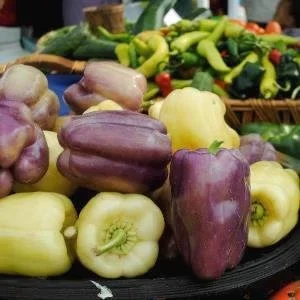
When we first start asking questions about where our food comes from and what impact our food system has on our health, our economy, and our planet, we can quickly become overwhelmed. With a constant influx of information on what constitutes “good” food and innumerable options for approaching local eating, it can be difficult to know where to get started. To make it easier, Lauri McKean has compiled “10 Easy Steps to Incorporate More Local and Seasonal Food into Your Diet.”
nn
Here are the first five:
nn
1. Start slowly.
nn
Eating local and seasonal food often requires that you make some changes in food preparation, meal planning, and shopping. You may find that your tastes, and those of family members, also change as you learn to eat locally available foods. Do not expect these changes to occur overnight. Set reachable goals by incorporating seasonal food slowly into your meals and shopping.
nn
2. Be conscious of the source of your food.
nn
When at the grocery store, check food labels for their origin and then check to see if there are any alternative products that have been produced closer to home. If there are none, ask your grocer to start stocking local foods.
nn
3. Develop a connection to your food.
nn
One of the most basic ways to do this is to plant a garden, even if it is only one potted tomato plant sitting on the porch. Another option is to become connected to the people from whom you buy food, be they vendors at a farmers’ market or CSA farmers.
nn
4. Make a commitment that your food buying practices reflect your principles.
nn
Purchasing locally grown and seasonal foods can benefit the economy, the environment, and personal nutrition in many ways. Buying locally grown food benefits the local economy, since most of the profit ends up in the local community. It also benefits local farmers since more of the money goes directly to the farmers and not to the “middle people.” The food is often more nutritious, fresh, and tasty than food shipped from other parts of the U.S. or other countries. Additionally, food that is produced without the use of synthetic pesticides and fertilizers is healthier for consumers and better for the environment.
nn
5. Be creative and flexible in your cooking.
nn
Seasonal cooking presents a culinary adventure through a wide world of vegetable dishes. Some vegetables taste very different when they are fresh and well prepared. While you may have always hated beets that come from a can, you may find you love fresh beets prepared in a salad or borscht.
nn
Information adapted from From Asparagus to Zucchini